About All Tours Pink Beach ToursBoat ToursFrom Labuan Bajo ToursPrivate ToursOne Day Tours Directions Hours & Fees
Find Tours 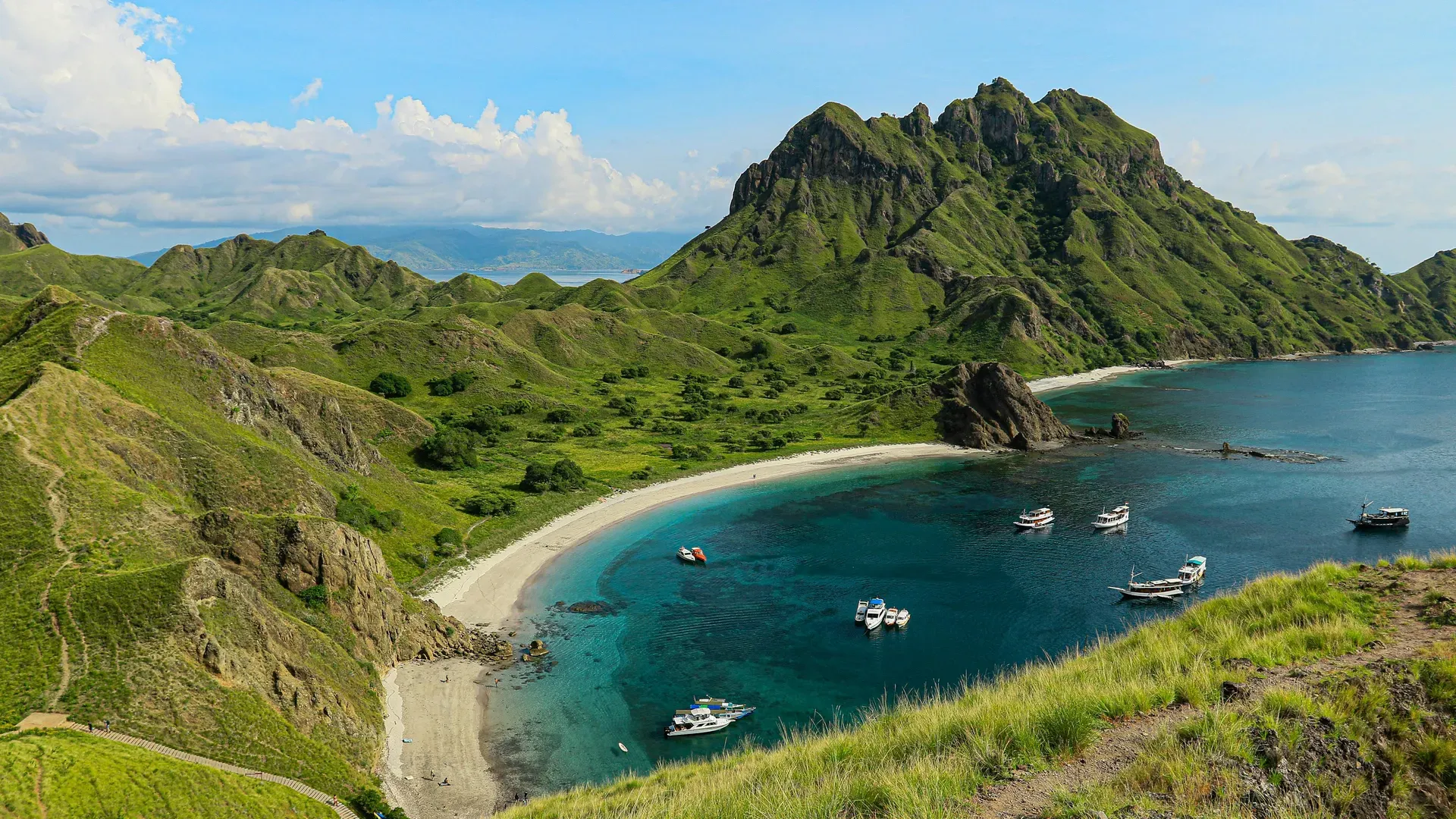
Located in Indonesia's Lesser Sunda chain, this 390-square-kilometer volcanic island protects an endangered population of 3,270 Komodo dragons. Visitors hike through semi-arid savannah hills to observe these massive predators in the wild, then snorkel over 260 coral species or walk on beaches tinted by microscopic red organisms.
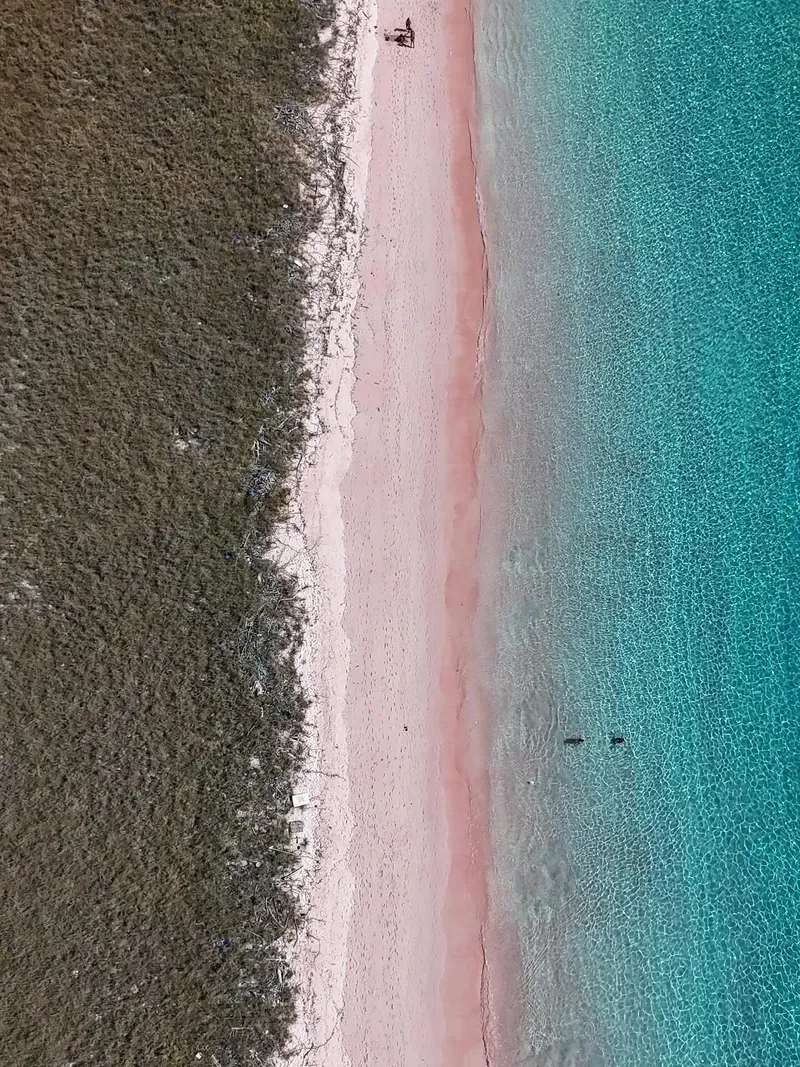
Find Guided ToursKomodo Island is a rugged, volcanic landmass covering 390 square kilometers in Indonesia's East Nusa Tenggara province. Situated between Sumbawa and Flores in the Lesser Sunda chain, the island is defined by a semi-arid climate, thorny green vegetation, and steep savannah hills. Its highest point, Mount Arab, reaches an elevation of 735 meters. The deeply indented coastline features numerous bays and the famous Pink Beach, where microscopic Foraminifera organisms tint the sand a soft pink hue.
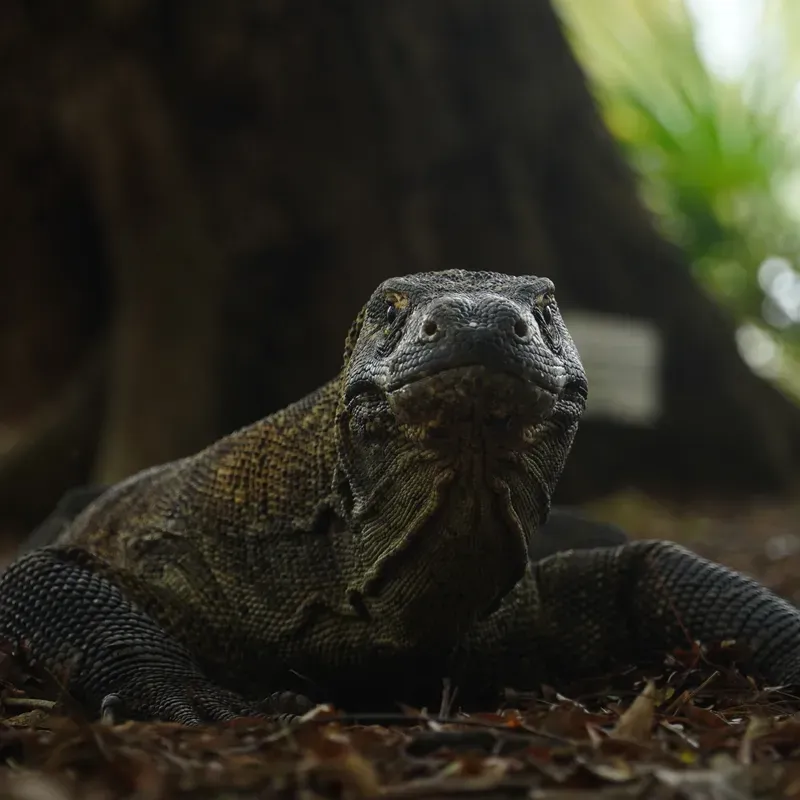
The island serves as the primary habitat for the Komodo dragon, the world's largest living lizard. According to a 2024 census, the park protects a population of 3,270 individuals. Beyond its apex predators, the island sits within the Coral Triangle, a critical marine biodiversity hotspot. The surrounding waters support 260 species of coral and a rich array of pelagic life.
The outside world first learned of the island's giant reptiles in 1910, when Dutch colonial officer Lieutenant Steyn van Haasbroek led an expedition to investigate rumors of "land crocodiles." This prompted the first scientific description of the species by Peter Ouwens in 1912. Recognizing the need to protect these unique predators and their habitat, authorities established initial nature reserves in 1938.
These early efforts culminated in the official formation of Komodo National Park in 1980. Today, the island holds global significance as a Man and Biosphere Reserve and a UNESCO World Heritage Site, inscribed in 1991. It was also voted one of the New 7 Wonders of Nature. To help preserve this 1,733-square-kilometer protected area, the National Park Authority plans to implement a visitor cap of 1,000 people per day by 2026.
Discover the full history and cultural significance on our About page.
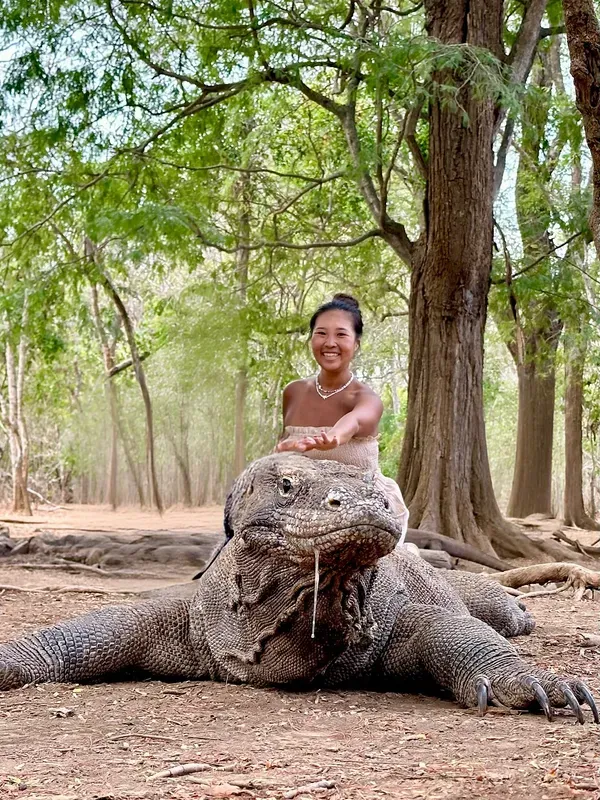
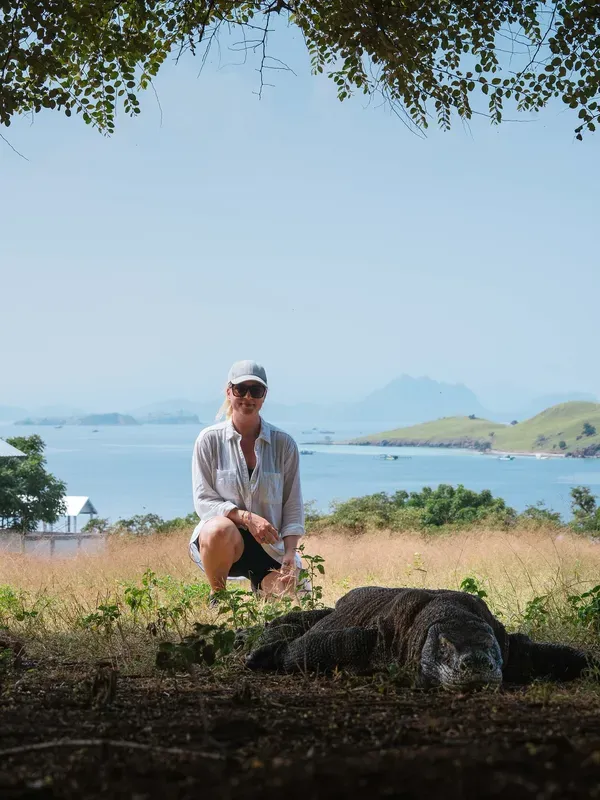
Join a licensed ranger on the Loh Liang trails to spot some of the 3,270 Komodo dragons in their natural habitat. Arrive between 07:00 and 09:00 to see these predators at their most active. Maintain a safe five-meter distance while navigating the semi-arid savannah.
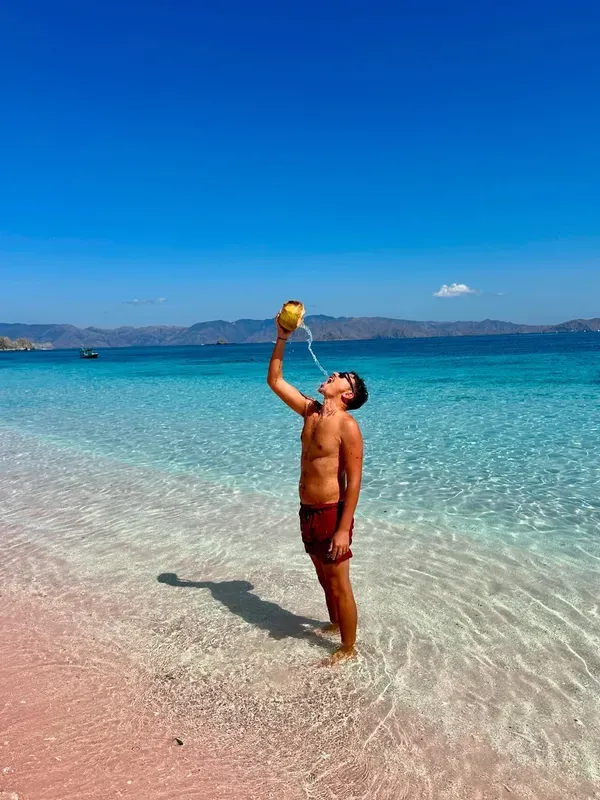
The deeply indented coastline of this 390 km² island features brilliant pink shores colored by microscopic Foraminifera organisms and red coral fragments. Walk along this rare coastal environment before swimming in the surrounding marine reserve. The striking contrast against thorny green vegetation creates excellent photography opportunities.
The waters of the Coral Triangle protect 260 species of coral and pelagic life. Snorkel at Manta Point to swim alongside large aggregations of reef manta rays. Advanced divers can navigate the strong currents at Batu Bolong to spot sharks in 25°C to 29°C water.
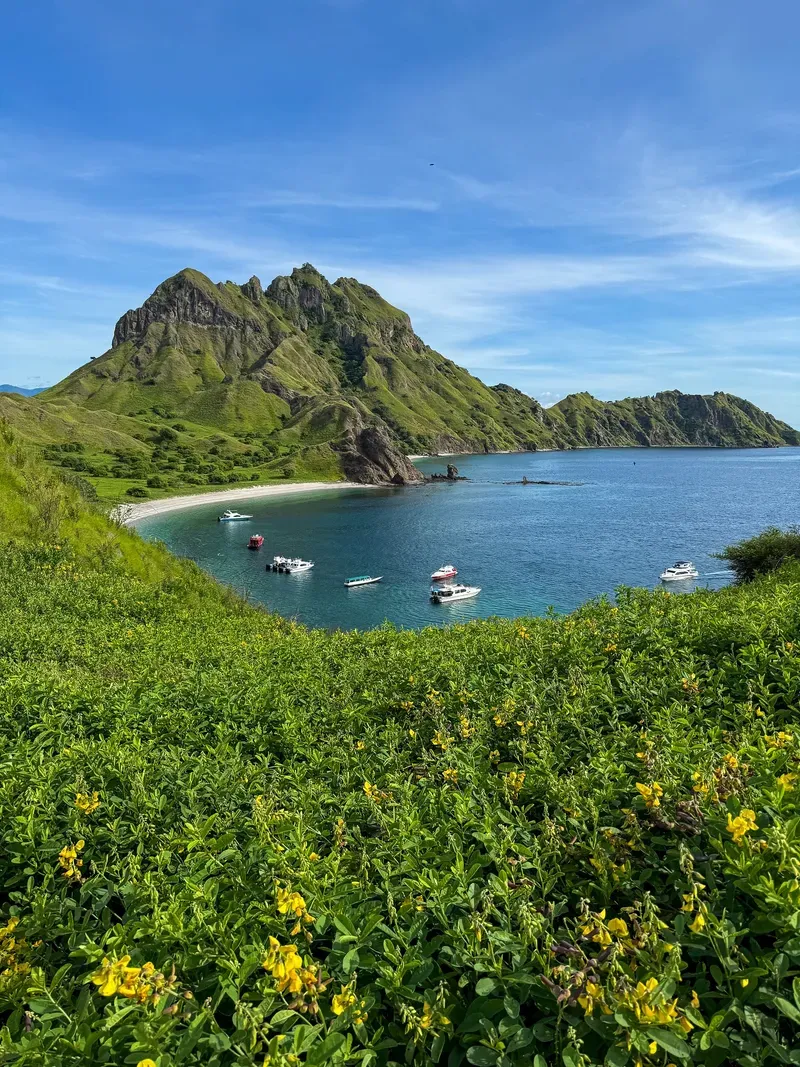
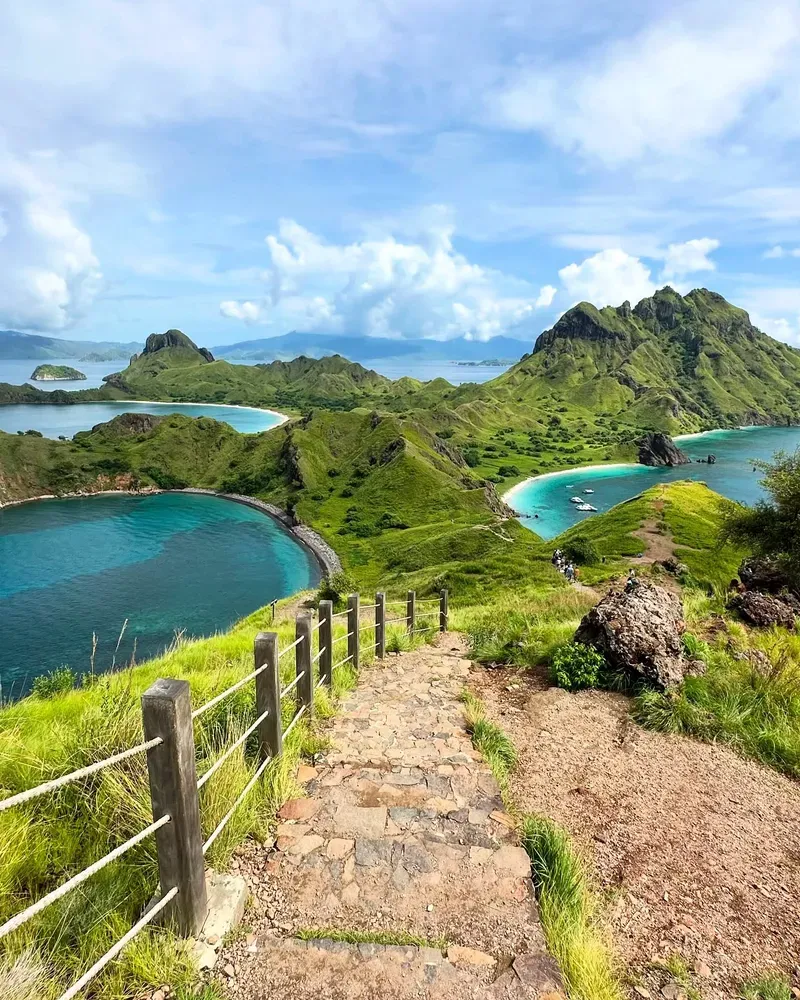
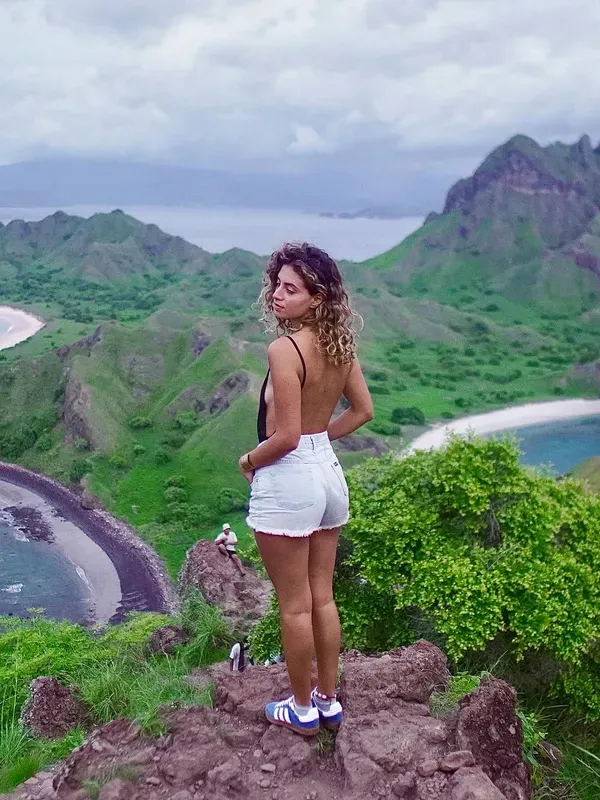
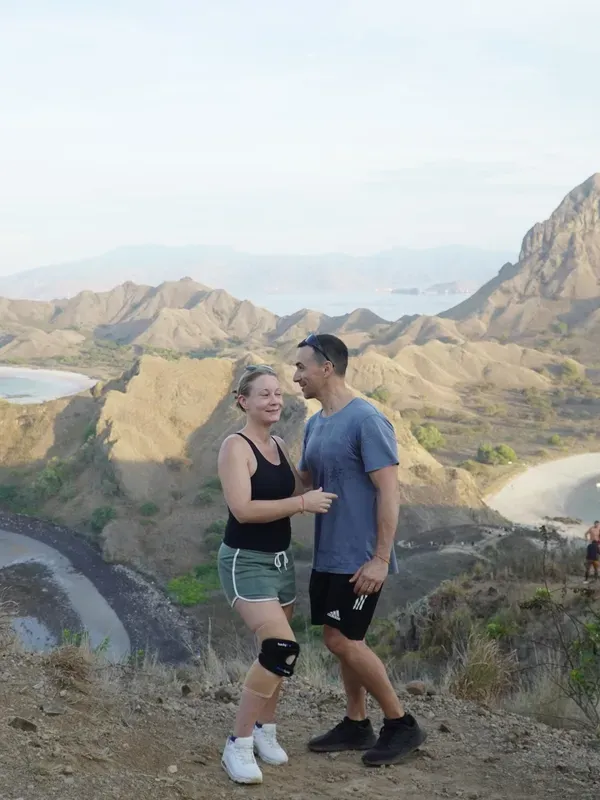
Take a short boat ride to nearby Padar Island and hike the steep volcanic hills to the summit. The peak provides a panoramic view of three distinctly colored bays featuring white, pink, and black sand beaches. This famous landscape sits just 30 to 60 minutes from Komodo.
Hand-picked tours with free cancellation and verified reviews
 Free Cancellation 10h 30min
  72h
72h  11h 30min
  Likely to Sell Out 10h
  Free Cancellation 11h
  Free Cancellation
  72h
72h 
The optimal times to visit Komodo Island are from April to June when the savannah hills are lush and seas are calm, and from September to November for peak marine life sightings. Travelers should avoid the peak monsoon season in January and February due to severe weather and frequent boat cancellations.
April and May offer excellent conditions immediately following the rainy season. The savannah hills turn lush green, and calm seas provide reliable boat access for the 40-kilometer trip from Labuan Bajo.
June provides calm seas, but dragons enter their mating season in June and July, making them harder to spot. July and August are peak months requiring bookings three to six months ahead.
These months represent a second peak window for visiting the national park. The weather stabilizes, creating optimal conditions for marine life sightings and snorkeling at sites like Manta Point.
January and February bring the peak monsoon season to East Nusa Tenggara. Heavy rain, strong winds, and rough sea conditions regularly cause dangerous downcurrents and mandatory boat travel suspensions.
Komodo Island is open daily from 07:00 to 17:00, year-round. Access is entirely dependent on weather conditions. Boat travel is frequently suspended during the peak monsoon season in January and February due to heavy rain, strong winds, and rough seas.
| Category | Price |
|---|---|
| Foreigner Entrance Fee (Weekday) | 150,000 IDR |
| Foreigner Entrance Fee (Weekend and Holiday) | 250,000 IDR |
| Mandatory Ranger Fee (Per group up to 5 people) | 120,000 IDR |
| Tourism Tax | approx. 100,000 IDR |
| Wildlife Observation Fee | 10,000 IDR |
| Trekking Fee | 5,000 IDR |
| Drone Permit (SIMAKSI) | 1,000,000 IDR per day |
There are no ATMs or credit card facilities on the island. Visitors must carry sufficient cash (IDR) to cover all park fees at the ranger stations. Drone operators must register for a SIMAKSI permit at least 7 days in advance via siora.id.
For complete schedules and ticket prices, visit our Hours & Fees page.
To reach Komodo Island, travelers must first travel to the gateway town of Labuan Bajo. From there, access to the island requires booking a boat tour or liveaboard departing from the local harbor.
📍 Komodo National Park, East Nusa Tenggara, Indonesia
Travelers typically begin by flying into Komodo Airport (LBJ) in Labuan Bajo, which serves as the primary gateway for all park visits. Direct routes operate from major hubs like Jakarta (CGK) and Bali (DPS). The flight covers approximately 1,500 kilometers if departing from Jakarta. This remains the fastest method to reach the departure point for island tours.
Shared speedboat tours depart directly from Labuan Bajo Harbour and cover the 40-kilometer distance to the island efficiently. These day trips typically leave early at 06:00. The standard itinerary usually includes stops at six different locations, such as Komodo and Padar. This option works well for visitors with limited time who require a fast-paced overview of the park.
A traditional wooden Phinisi boat provides the most popular method for exploring the national park. These multi-day excursions depart from Labuan Bajo Harbour and navigate variable distances between the surrounding islands. The standard package covers your accommodation and all meals while at sea. It allows visitors ample time to access remote areas before the midday heat.
Budget-conscious travelers approaching from the west can utilize a standard public ferry. The vessel departs from Sape on Sumbawa island and travels approximately 60 kilometers eastward. It arrives at the main port in Labuan Bajo, where visitors must then secure a separate boat tour to reach Komodo itself. The crossing is slow but highly economical.
For detailed transport options and routes, visit our Directions page.
Komodo Island has no ATMs or credit card facilities. You must pay all park fees in Indonesian Rupiah directly at the ranger stations. Carry at least 1,000,000 IDR per person to cover entrance tickets, the 120,000 IDR group ranger fee, and other local taxes.
Plan your boat schedule to reach the ranger station between 07:00 and 09:00. Komodo dragons are most active during these early hours before the intense midday heat sets in. Arriving early maximizes your chances of seeing the animals moving around the savannah.
Dress in lightweight, breathable layers and wear sturdy, closed-toe walking shoes for the rocky trekking paths. You must strictly avoid wearing bright red clothing. This specific color can attract the attention of the dragons, which is dangerous since they can sprint up to 20 km/h.
Komodo dragons possess an acute sense of smell and can detect blood from up to 5 kilometers away. Women who are menstruating must inform their licensed park ranger before beginning any trek. The guide will provide necessary extra security to keep you safe on the trails.
Standard photography is permitted, but flying a drone requires strict pre-approval. You must apply for a SIMAKSI permit via siora.id at least 7 days before your visit. You will also need to pay a drone ticket fee of 1,000,000 IDR per day.
The island has a semi-arid climate and lacks shade along the trekking routes. Dehydration is a serious safety risk in this environment. Carry a minimum of 1.5 liters of water per person, along with SPF 50+ sunscreen and a wide-brimmed hat.
Padar Island features steep volcanic hills. A hike to the summit provides a panoramic view of three distinct bays containing white, pink, and black sand.
This island serves as the second-largest habitat for Komodo dragons. The sparser savannah vegetation often makes spotting the wildlife easier than on neighboring islands.
Kanawa is a tranquil island characterized by its crystal clear water. A coral reef sits directly off the beach, creating an ideal environment for relaxed snorkeling.
Read what travelers share about their experience visiting Komodo Island — from practical tips to personal highlights.
The base entrance fee for foreigners is 150,000 IDR on weekdays and 250,000 IDR on weekends or holidays. You must also pay a mandatory ranger fee of 120,000 IDR per group of up to five people, alongside small fees for trekking and wildlife observation. Bring at least 1,000,000 IDR in cash per person to cover all park costs, as there are no ATMs on the island.
The optimal months are April to June, when the hills are green and seas are calm, and September to November for marine life sightings. You should avoid January and February. Heavy monsoon rains and strong winds during these months often cause boat cancellations.
All trips start from Labuan Bajo, which is a 1.5 to 2.5-hour flight from Jakarta or Bali. From Labuan Bajo Harbour, you can take a 1.5-hour speedboat ride covering 40 kilometers to reach the island. Alternatively, many visitors book a 3-day, 2-night traditional liveaboard boat.
Wear lightweight, breathable clothing and sturdy closed-toe walking shoes, but avoid bright red colors as they can attract the dragons. The island is extremely dry, making it essential to carry at least 1.5 liters of water for safety. You will also need SPF 50+ sunscreen and a wide-brimmed hat to handle the intense savannah heat.
No, the island is not wheelchair accessible. Access requires transferring from a boat directly to a pier or beach without ramps. The trekking paths consist of sandy, rocky, and uneven terrain.
You should book your boat tour three to six months in advance if you plan to travel during the peak months of July and August. If you intend to fly a drone, you must register for a SIMAKSI permit at least seven days prior via siora.id.
Yes, but you must inform your park ranger before starting the trek. Komodo dragons have a highly acute sense of smell and can detect blood from up to 5 kilometers away. The ranger will provide extra security during your walk.
There are no hotels or overnight accommodations on Komodo Island itself. Visitors either sleep on liveaboard boats or return to hotels in the gateway town of Labuan Bajo.
Browse verified tours with free cancellation and instant confirmation.
Find Tours